
Blog / Ford Care

Blog

All Ford Care New Ford Inventory Charleston Ford Dealer Service Ford EVs Summerville Ford Used Inventory
fall Car Care Month Summerville Ford

The Best Fall Car Care Month Tips Ever

It's Fall Car Care Month at Summerville Ford. While the name may make it sound like it's always Summer here, September and October are the perfect months to make sure your car is up to par. We may not get winter like up north, but cooler weather can affect your car in a number of ways. The Quintessential Fall Car Care Month Checklist October is Fall Car Care Month, a perfect time to prepare your vehicle for the colder weather ahead. Here are 10 tips to help you keep your car running smoothly and safely this season. 15 Tips to Prepare Your Car For Winter Check your battery. Cold temperatures can reduce the power of your battery, so make sure it is in good condition and has enough charge. You can test your battery yourself or have a professional do it for you. Change your oil and filter. Oil lubricates your engine and prevents wear and tear. It also helps to keep your engine cool and clean. You should follow the manufacturer's recommendations for oil change intervals, but generally, you should change your oil every 3,000 to 5,000 miles. Replace your wiper blades. Rain, snow, and ice can impair your visibility, so you need to have effective wipers. You should replace your wiper blades every six months or when they start to streak, squeak, or smear. Inspect your tires. Your tires are the only part of your car that touches the road, so they need to be in good shape. You should check the tire pressure, tread depth, and alignment regularly. Check your brakes. Your brakes are essential for your safety, especially in wet or slippery conditions. You should have your brakes inspected by a professional at least once a year or whenever you notice any signs of trouble, such as squealing, grinding, or pulsating. Flush your cooling system. Your cooling system prevents your engine from overheating and freezing. You should flush your cooling system and replace the coolant every two years or according to the manufacturer's specifications. Replace your air filter. Your air filter cleans the air that enters your engine and improves its performance and fuel efficiency. You should replace your air filter every 12,000 to 15,000 miles or more often if you drive in dusty or polluted areas. Check your lights. Your lights help you see and be seen on the road, so you need to make sure they are working properly. You should check your headlights, taillights, brake lights, turn signals, and fog lights regularly and replace any burned-out bulbs. Clean your car. Dirt, salt, and debris can damage your car's paint and cause rust and corrosion. You should wash your car regularly and apply a coat of wax to protect it from the elements. You should also vacuum and wipe down the interior to keep it fresh and comfortable. Stock up on emergency supplies. You never know when you might encounter a breakdown or an accident, so you should be prepared for any situation. You should have a basic emergency kit in your car that includes items such as jumper cables, flashlights, flares, a first-aid kit, a blanket, water, and snacks. Schedule a Check Up at Summerville Ford It may seem like a lot to keep track of, but if you follow this Fall car care checklist, you’ll be more than prepared for when the cooler months roll around. And if there’s anything you need to replace or you can’t check out yourself, you can always make Summerville Ford a part of your winter car prep by scheduling an appointment with our service center in Charleston. Make sure you prepare your car for winter right with Summerville Ford!
Save Money On Your F-150

Top 7 Tips for Saving Money While Driving a Ford F-150

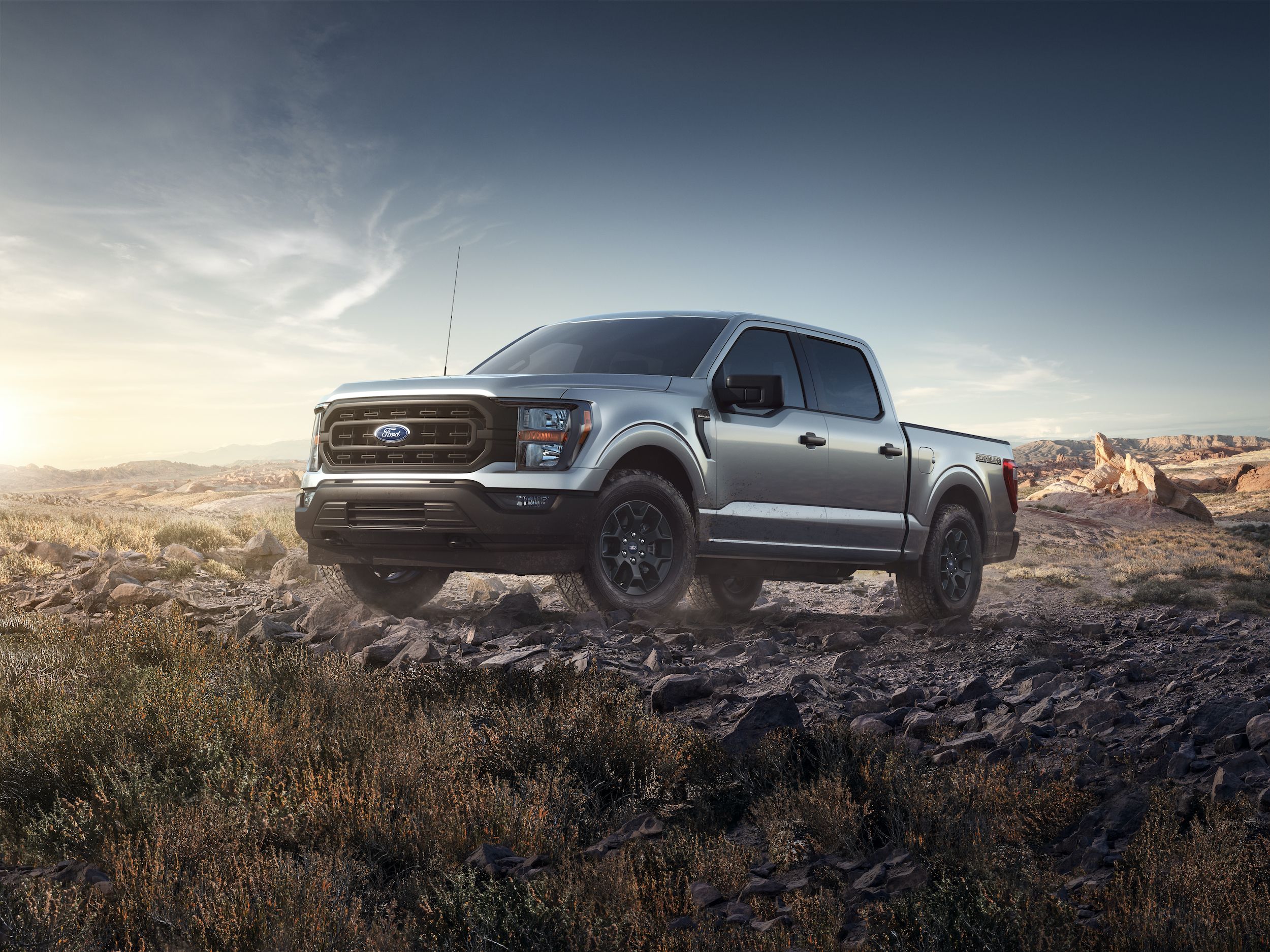
Owning a Ford F-150 can be an exhilarating experience, offering power, versatility, and ruggedness. However, it's no secret that trucks, especially larger ones like the F-150, tend to consume more fuel and incur higher maintenance costs than smaller vehicles. But fear not! In this blog, we will explore some practical and effective tips to help you save money while driving your beloved Ford F-150. By implementing these strategies, you can maximize your fuel efficiency, reduce maintenance expenses, and overall enjoy a more cost-effective ownership experience Tips For Saving Money On Your F-150 Efficient Driving Habits: One of the most significant factors affecting fuel economy is your driving style. By adopting some efficient driving habits, you can significantly improve your Ford F-150's mileage. Avoid aggressive acceleration and braking, as it consumes more fuel. Instead, practice smooth and gradual acceleration, maintaining a consistent speed. Additionally, reducing idling time and utilizing cruise control on highways can also help conserve fuel and save money in the long run. Regular Vehicle Maintenance: Proper and timely maintenance is crucial for any vehicle, and the Ford F-150 is no exception. By following the recommended service schedule provided by Ford, you can prevent potential problems and keep your truck running efficiently. Regularly check and change the engine oil, air filters, and spark plugs. Ensuring the tires are properly inflated, aligned, and balanced will also contribute to better fuel efficiency and longer tire life. Optimize Aerodynamics: The Ford F-150's design offers a balance between style and functionality. However, certain accessories and modifications can optimize its aerodynamics and improve fuel economy. Consider adding a tonneau cover or a bed cap to reduce drag and increase gas mileage. Additionally, removing unnecessary weight from the bed of the truck will also contribute to improved fuel efficiency. Choose the Right Fuel: It's essential to use the appropriate fuel for your Ford F-150. Refer to the owner's manual or consult with a Ford dealer to determine the recommended octane rating for your specific engine model. Using higher-octane fuel than necessary does not provide any additional benefits and only leads to unnecessary expenses. Plan Efficient Routes: When possible, plan your trips to minimize both distance and traffic congestion. Utilize navigation apps or devices that can provide real-time traffic updates, helping you avoid heavy traffic areas and excessive idling. By taking the most efficient route, you can save time, fuel, and money. Carpool and Combine Trips: If you frequently use your Ford F-150 for commuting or running errands, consider carpooling with colleagues or neighbors who have similar routes. Sharing the ride reduces the number of vehicles on the road, decreases fuel consumption, and saves you money on fuel expenses. Furthermore, combining multiple errands into a single trip helps minimize unnecessary mileage and optimizes fuel efficiency. Compare Insurance Options: Insurance is a necessary expense for vehicle owners, and it's always a good idea to periodically review your coverage and compare prices from different providers. Shop around to find the best insurance rates that suit your needs. Some insurance companies offer discounts for safety features and anti-theft devices, so be sure to inquire about available discounts for your Ford F-150. Save More, Enjoy Your Truck More Owning and driving a Ford F-150 can be both enjoyable and cost-effective if you apply these money-saving tips. By adopting efficient driving habits, performing regular maintenance, optimizing aerodynamics, choosing the right fuel, planning efficient routes, carpooling, and reviewing insurance options, you can save money while enjoying the power and versatility of your Ford F-150. Remember, a few small changes can go a long way in reducing expenses and enhancing your overall ownership experience

summerville ford winter car prep checklist

5 Simple Ways To Get Your Car Ready for Winter

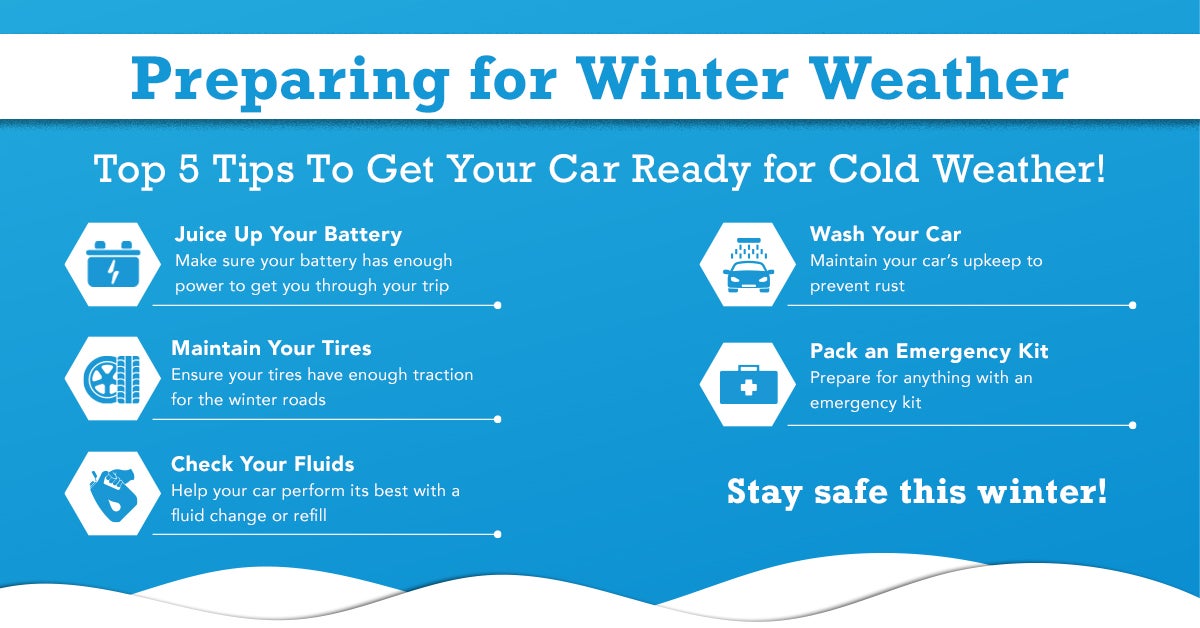
For the majority of the year, driving conditions are pretty tepid. But the true test of your integrity as a car owner, and the quality of your car comes during the winter months. This is when you can truly get punished for not taking care of your car unless you take care of the necessary winter car prep. Between harsh winter weather and the toll the cold, ice, snow, and salt can take, you really have to step up your winter car care game to get your vehicle winter ready. Winter Car Care Checklist We don’t want to see you or your car on the side of the road this winter season. The best way to avoid any issues is to make sure your car is ready to take on whatever the next few months have in store. So before things get really rough, here are 5 simple winter car care tips that will help you and your car be ready for the colder months ahead. Juice Up Your Battery Having to wait for a jump in the middle of the cold and possibly snow is up there with the worst things to happen in winter. If you don’t check your battery before the cold weather sets in, you’re really taking a gamble. The extreme cold that we tend to see can make it difficult for your battery to operate. And the last thing you want is to come back to your car left in a cold parking lot and find it dead leaving you with no heat. The best advice you’ll get today is to get a volt test on your battery now. This will tell you what the health of your battery looks like and whether or not you should invest in a new battery. Maintain Your Tires When it comes to driving in winter, the quality of your tires is paramount. But it’s not just about what kind of tires you have but keeping an eye on your tire pressure as well. Investing in winter tires or all-season tires is a great idea and one we highly recommend. You want something that you can rely on for snow, rain, mud, and anything else you may encounter this year. However, something that gets overlooked often is tire pressure. As the air gets colder, tire pressure can drop up to one pound per square inch with every 10-degree drop. Keep an eye on your tire pressure and make sure you fill them if they are looking low. Check Your Fluids Every fluid in your car is going to help it perform the best it can during the colder months. For this reason, it’s very important that all of your fluid levels are good and fresh. Change your oil and filters if it’s coming near time, flush and refill your coolant/antifreeze, and fill your windshield wiper fluid. Doing all of these now will ensure that your car works the way it should even when temperatures drop. Wash Your Car This may seem like a weird thing to do, but it’s surprisingly important. However, this is something that you should do throughout the winter months. As more snow hits the roads, the county will salt those roads in an effort to keep them as clear as possible. But that salt will also end up on your car, especially all over your undercarriage. While the salt really helps the roads, it can wreak havoc on your car and cause rust. That is unless you give it a good wash after a big snow. Both an automatic and manual wash will work, as long as you can hit your undercarriage well. Pack an Emergency Kit Everything is all fun and games until your car dies in the middle of a snowstorm. Whether you slid on ice or something happened with your engine, or maybe even ran out of gas, having an emergency kit may just save your life. Depending on the weather and where you are, you definitely need to be prepared for anything. Here are some things you should have packed: First-aid kit Jumper cables Snow brush and ice scraper Flares Multi-tool with a knife Portable charger Air pump Shovel Cat litter or sand Candle and lighter Thermal blanket Snacks and water Stay Safe Out There Winter can be a crazy time, but making your vehicle winter ready ahead of time can go a long way. These are just a couple of things you can do, but there’s always more. Do your research and talk with our fantastic service technicians about what you should have done before the colder months are on top of us. Be smart and stay safe this holiday season!

Contact Us

Fill out this form below and we'll contact you shortly
*Required Fields